4.5
4.5



 Història
  Agenda


 Llibreries


 Inici
Inici 
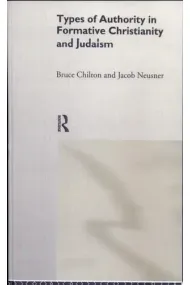


Detalls del llibre
Two well-known scholars, in New Testament and Rabbinic Judaism respectively, ask the question: what does it mean to translate a theory of God's presence in the social order into a concrete doctrine of everyday authority? What sort of politics, what theory of ongoing and everyday religious encounter, and what modes of persuasive intellectual exchange embody the conviction that God is present among us and that our community is made holy by obedient response to that Presence? The holy community, the presence of God's representatives on earth, and the compelling power of certain kinds of evidence and arguments - these provide the outlines of an answer to that question. Politics come first. But both communities also looked to the authority of God embodied in persons, validated by miraculous events, or otherwise certified by gifts of the spirit. And, finally, both Christianity and Rabbinic Judaism deemed Christ and the Torah respectively to embody the logos of reason or the rules of right thought. Both maintained that well-expounded, probative evidence and compelling argument formed the best source of authority - compulsion exercised from within, by intellect.
Llegir més - Autors Bruce Chilton, Jacob Neusner
- ISBN13 9780415173254
- ISBN10 0415173256
- Pàgines 191
- Any Edició 1999
- Fecha de publicación 07/05/1999
- Idioma Alemany, Francès
Ressenyes i valoracions
Sigues la primera persona a valorar-lo!
Has llegit Types of Authority in Formative Christianity and Judaism?


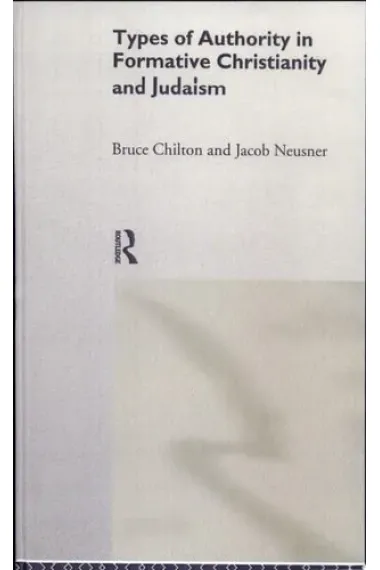
Types of Authority in Formative Christianity and Judaism (Alemany, Francès)
- De
- Bruce Chilton, Jacob Neusner
- |
- PSYCHOLOGY PRESS (1999)
- 9780415173254
191,42€
201,50€
-5%
Enviament Gratuït
No disponible
191,42€
201,50€
-5%
Enviament Gratuït
No disponible


Devolució gratuïta

 Gràcies per comprar a llibreries reals!

 Novetat





 Whatsapp
 Facebook
 Linkedin
 X
X