4.5
4.5



 Història
  Agenda


 Llibreries


 Inici
Inici 


Detalls del llibre
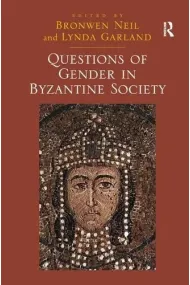
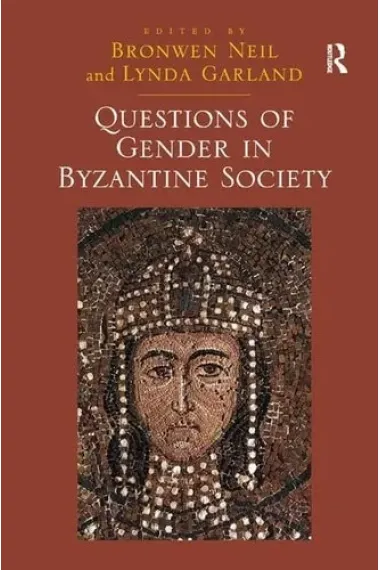
Gender was a key social indicator in Byzantine society, as in many others. However, masculine and feminine roles were not always clearly defined, while eunuchs made up a 'third gender'. While studies of gender in the western medieval period have appeared regularly in the past decade, similar studies of Byzantium have lagged behind. Social status was also in a state of flux, as much linked to patronage networks as to wealth, as the Empire came under a series of external and internal pressures. This fluidity applied equally in ecclesiastical and secular spheres. The present collection of essays uncovers gender roles in the imperial family, in monastic institutions of both genders, in the Orthodox church, and in the nascent cult of Mary in the east. It puts the spotlight on flashpoints over a millennium of Byzantine rule, from Constantine the Great to Irene and the Palaiologoi, and covers a wide geographical range, from Byzantine Italy to Syria. The editors' introduction will frame the contributions of the volume against recent scholarship and consider methodological issues in the study of gender and Byzantine society. In the opening essays, Byzantine Italy emerges as the site of a major clash of cultures - Roman, Greek, Lombard and Norman - producing interesting permutations in the interpretation of gender, especially in the military, and bringing a new flexibility to traditional roles for women. The next group of papers deals with the church, as a major locus for changing social roles of both men and women, both lay and monastic. Further essays consider the roles of female members of the Byzantine court from the fourth to fifteenth centuries: the Constantinian empresses, and assess the evidence for literacy among Byzantine female elites. The final study considers how the beard was used as a social symbol and gender marker over the life course of Byzantine males. Together this collection portrays a surprising range of male and female experience in various social institutions - whether religious, military, or imperial court, -- in Byzantium over the course of more than a millennium. It offers a provocative contrast to recent studies based on western medieval scholarship. Common themes that bind the collected essays into a coherent whole include specifically Byzantine expectations of gender among the social elite; the fluidity of social and sexual identities for Byzantine men and women within the church; and the specific challenges that strong individuals posed to the traditional limitations of gender within a hierarchical society dominated by Christian orthodoxy.
Llegir més - Autors Assistant Director Of The Centre For Early Christian Studies And Senior Lecturer In Ecclesiastical Latin Bronwen Neil, Lynda Garland
- ISBN13 9781409447795
- ISBN10 1409447790
- Pàgines 218
- Any Edició 2026
- Fecha de publicación 12/05/2026
Ressenyes i valoracions
Sigues la primera persona a valorar-lo!
Has llegit Questions of Gender in Byzantine Society?


 Novetat
 Questions of Gender in Byzantine Society
182,97€
192,60€
-5%
Enviament Gratuït
No disponible
182,97€
192,60€
-5%
Enviament Gratuït
No disponible


Devolució gratuïta

 Gràcies per comprar a llibreries reals!





 Whatsapp
 Facebook
 Linkedin
 X
X