4.5
4.5



 Història
  Agenda


 Llibreries


 Inici
Inici 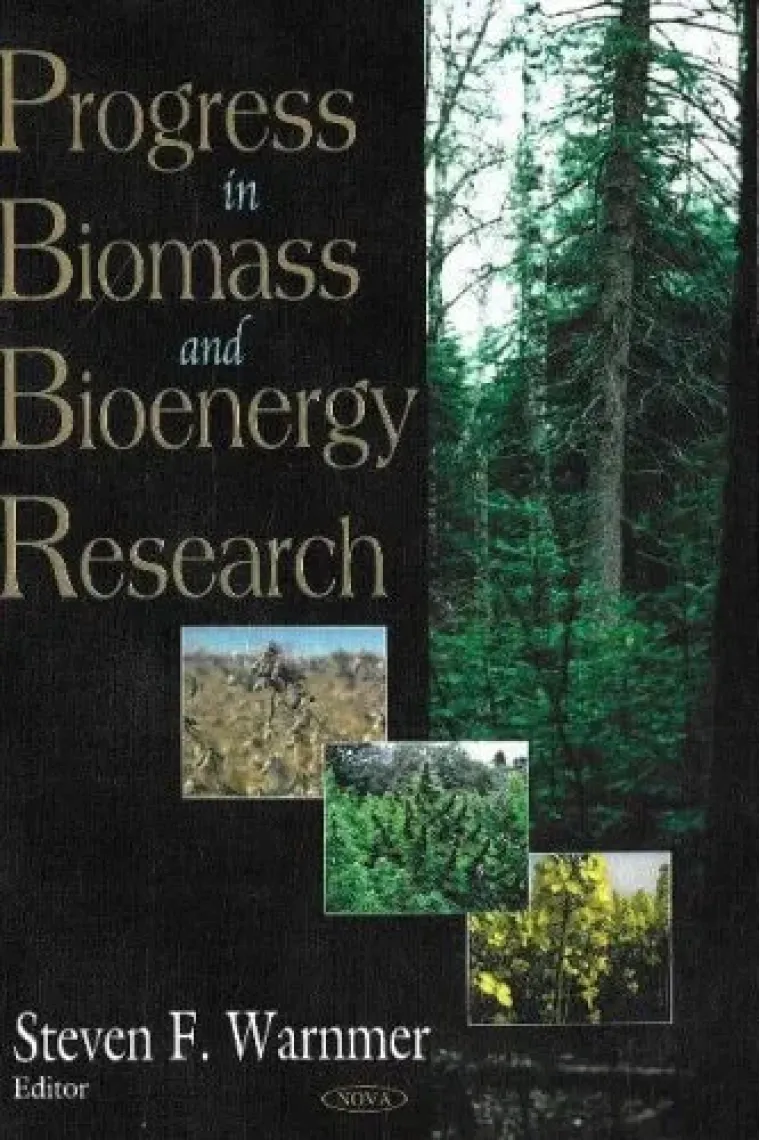


Detalls del llibre
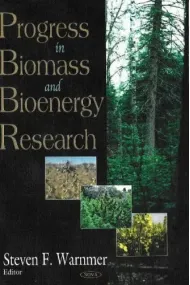
Like coal and petroleum, biomass is a form of stored solar energy. The energy of the sun is captured through the process of photosynthesis in growing plants. Like all methods used to generate energy, the combustion of biomass generates pollution as a by-product. One advantage of biofuel in comparison to most other fuel types is that the energy within the biomass can be stored for an indefinite amount of time without any danger. Agricultural products specifically grown for use as biofuels include corn and soybeans, primarily in the United States, as well as flaxseed and rapeseed, primarily in Europe, and hemp is a growing crop around the world except for in America. to produce bioenergy; examples include straw, lumber, manure, sewage, garbage and food leftovers. Biomass used as fuel often consists of under-utilised types, like chaff and animal waste. Much research is currently in progress into the utilisation of microalgae as an energy source, with applications being developed for biodiesel, ethanol, methanol, methane, and even hydrogen. On the rise is use of hemp, although current politics restrains it. with growth.
Llegir més - ISBN13 9781600213281
- ISBN10 1600213286
- Pàgines 217
- Any Edició 2026
- Fecha de publicación 05/05/2026
- Idioma Alemany, Francès
Ressenyes i valoracions
Sigues la primera persona a valorar-lo!
Has llegit Progress in Biomass & Bioenergy Research?


 Novetat
 Progress in Biomass & Bioenergy Research (Alemany, Francès)
- De
- |
- Nova Science Publishers, Incorporated (2026)
- 9781600213281
290,22€
305,50€
-5%
Enviament Gratuït
No disponible
290,22€
305,50€
-5%
Enviament Gratuït
No disponible


Devolució gratuïta

 Gràcies per comprar a llibreries reals!
 Whatsapp
 Facebook
 Linkedin
 X
X