4.5
4.5



 Història
  Agenda


 Llibreries


 Inici
Inici 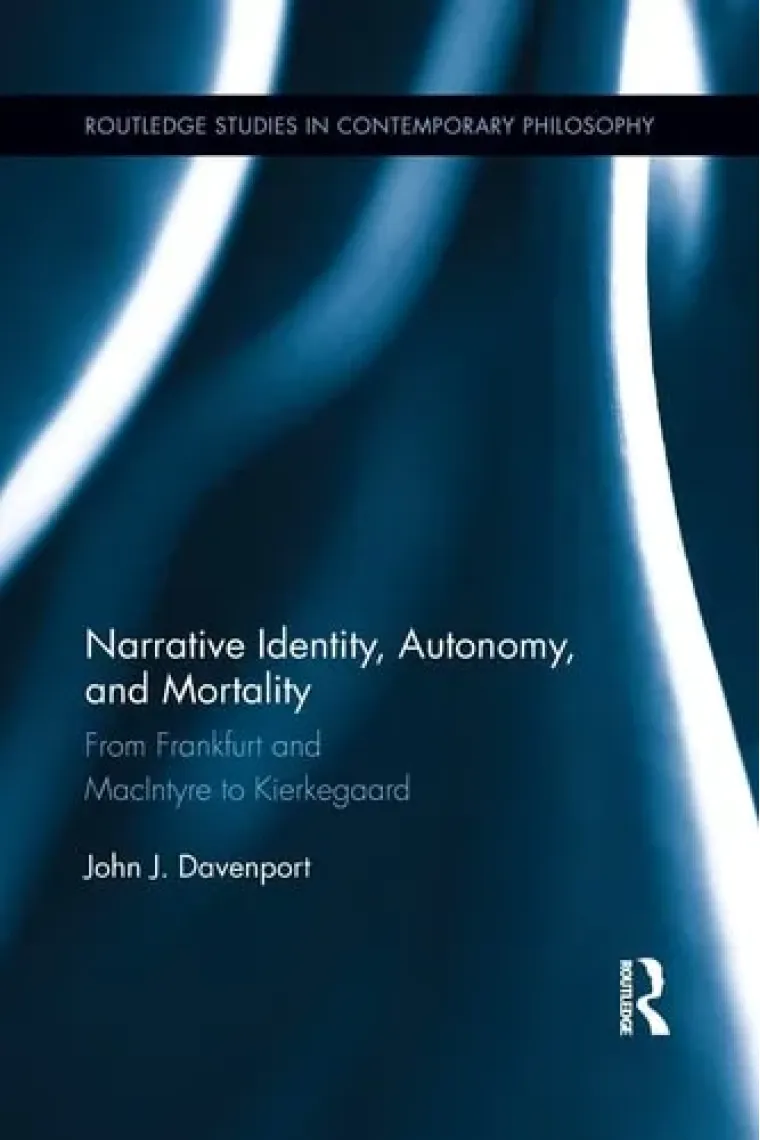


Detalls del llibre
In the last two decades, interest in narrative conceptions of identity has grown exponentially, though there is little agreement about what a "life-narrative" might be. In connecting Kierkegaard with virtue ethics, several scholars have recently argued that narrative models of selves and MacIntyre's concept of the unity of a life help make sense of Kierkegaard's existential stages and, in particular, explain the transition from "aesthetic" to "ethical" modes of life. But others have recently raised difficult questions both for these readings of Kierkegaard and for narrative accounts of identity that draw on the work of MacIntyre in general. While some of these objections concern a strong kind of unity or "wholeheartedness" among an agent's long-term goals or cares, the fundamental objection raised by critics is that personal identity cannot be a narrative, since stories are artifacts made by persons. In this book, Davenport defends the narrative approach to practical identity and autonomy in general, and to Kierkegaard's stages in particular.
- Autor/a John J. Davenport
- ISBN13 9781138910867
- ISBN10 1138910864
- Pàgines 248
- Any Edició 2015
- Fecha de publicación 29/10/2015
Ressenyes i valoracions
Sigues la primera persona a valorar-lo!
Has llegit Narrative Identity, Autonomy, and Mortality From Frankfurt and MacIntyre to Kierkegaard?


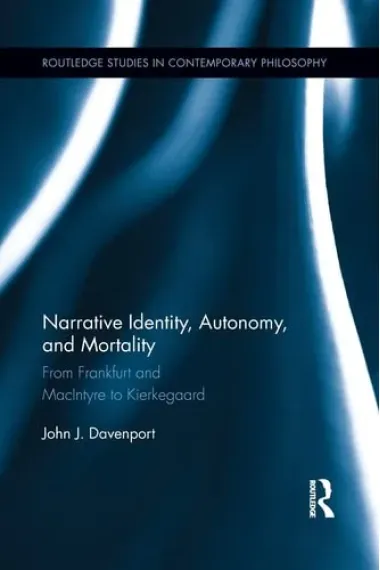
Narrative Identity, Autonomy, and Mortality From Frankfurt and MacIntyre to Kierkegaard
- De
- John J. Davenport
- |
- ROUTLEDGE (2015)
- 9781138910867


 Gràcies per comprar a llibreries reals!
 Novetat
 Whatsapp
 Facebook
 Linkedin
 X
X