4.5
4.5



 Història
  Agenda


 Llibreries


 Inici
Inici 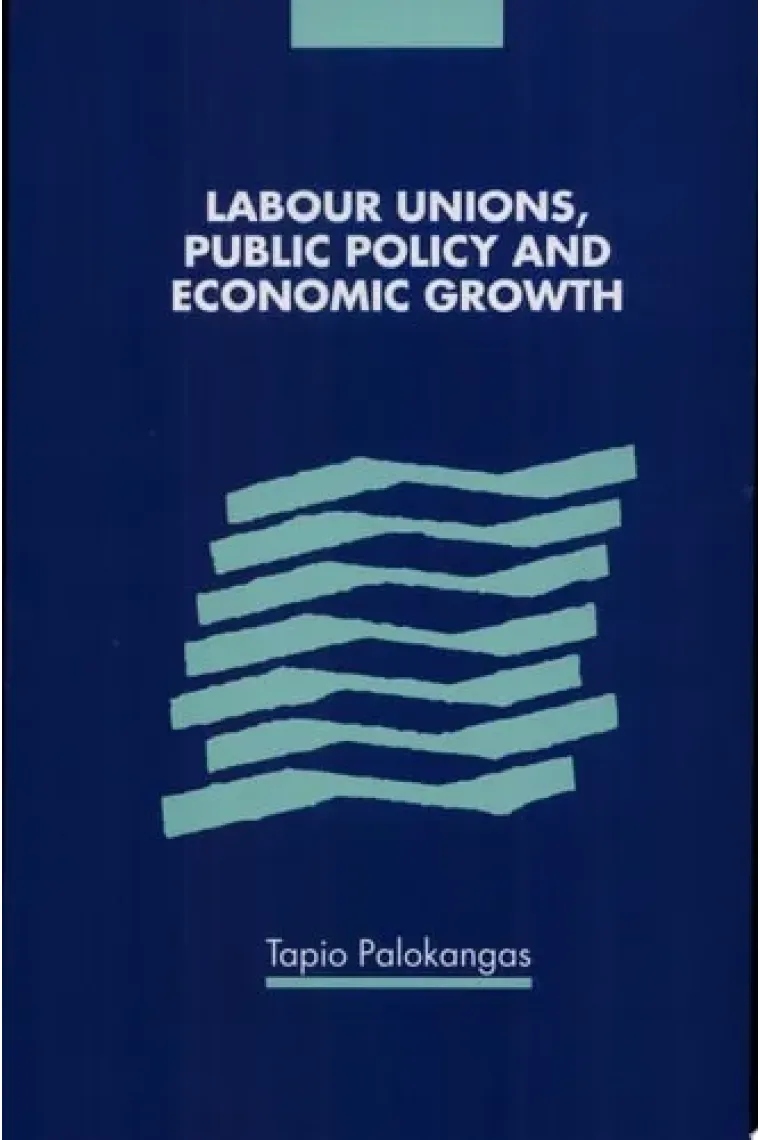


Detalls del llibre
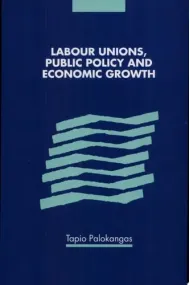
Collective bargaining is the main vehicle for labour worldwide to negotiate wages, benefits, retirement policies, training and other terms of working with management in both the public and private sectors. Labour economists have long been active in modelling the relations between collective bargaining agreements, labour markets and social welfare conditions. This book presents a theoretical model of unions which offers a unified treatment of the centralisation of bargaining, the credibility of labour contracts, the unionisation of labour markets and the relative bargaining power of the union. Tapio Palokangas develops the microfoundations of bargaining and examines collective bargaining interacting with public policy, investment and growth, and international trade and specialisation. In conclusion Professor Palokangas challenges the commonly held view that collective bargaining has a negative impact on economics welfare, and argues that with the existence of market failure, collective bargaining can be welfare enhancing.
Llegir més - Autor/a Tapio (University Of Helsinki) Palokangas
- ISBN13 9780521663236
- ISBN10 0521663237
- Pàgines 237
- Any Edició 2000
- Fecha de publicación 13/01/2000
- Idioma Alemany, Francès
Ressenyes i valoracions
Sigues la primera persona a valorar-lo!
Has llegit Labour Unions, Public Policy and Economic Growth?


Labour Unions, Public Policy and Economic Growth (Alemany, Francès)
- De
- Tapio (University Of Helsinki) Palokangas
- 9780521663236
76,57€
80,60€
-5%
Enviament Gratuït
No disponible
76,57€
80,60€
-5%
Enviament Gratuït
No disponible


Devolució gratuïta

 Gràcies per comprar a llibreries reals!
 Whatsapp
 Facebook
 Linkedin
 X
X