4.5
4.5



 Història
  Agenda


 Llibreries


 Inici
Inici 
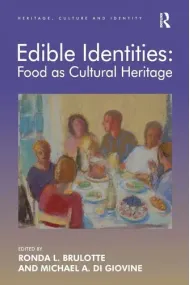


Detalls del llibre
Food - its cultivation, preparation and communal consumption - has long been considered a form of cultural heritage. A dynamic, living product, food creates social bonds as it simultaneously marks off and maintains cultural difference. In bringing together anthropologists, historians and other scholars of food and heritage, this volume closely examines the ways in which the cultivation, preparation, and consumption of food is used to create identity claims of 'cultural heritage' on local, regional, national and international scales. Contributors explore a range of themes, including how food is used to mark insiders and outsiders within an ethnic group; how the same food's meanings change within a particular society based on class, gender or taste; and how traditions are 'invented' for the revitalization of a community during periods of cultural pressure. Featuring case studies from Europe, Asia and the Americas, this timely volume also addresses the complex processes of classifying, designating, and valorizing food as 'terroir, ' 'slow food, ' or as intangible cultural heritage through UNESCO. By effectively analyzing food and foodways through the perspectives of critical heritage studies, this collection productively brings two overlapping but frequently separate theoretical frameworks into conversation.
Llegir més - Autors Ms Ronda L Brulotte, Dr Michael A Di Giovine
- ISBN13 9781138634947
- ISBN10 1138634948
- Pàgines 237
- Any Edició 2016
- Fecha de publicación 02/12/2016
Ressenyes i valoracions
Sigues la primera persona a valorar-lo!
Has llegit Edible Identities Food as Cultural Heritage?


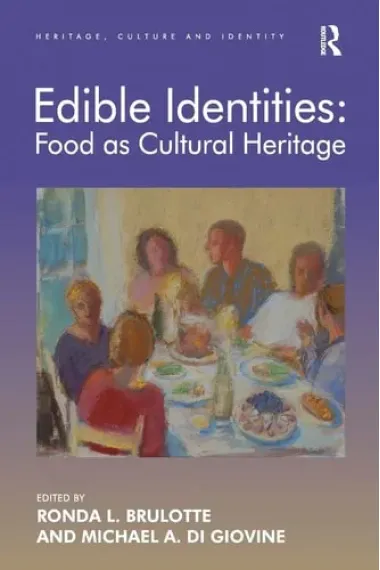
Edible Identities Food as Cultural Heritage
- De
- Ms Ronda L Brulotte, Dr Michael A Di Giovine
- |
- ROUTLEDGE (2016)
- 9781138634947
66,31€
69,80€
-5%
Enviament Gratuït
No disponible
66,31€
69,80€
-5%
Enviament Gratuït
No disponible


Devolució gratuïta

 Gràcies per comprar a llibreries reals!
 Whatsapp
 Facebook
 Linkedin
 X
X