4.5
4.5



 Història
  Agenda


 Inici
Inici 


Detalls del llibre
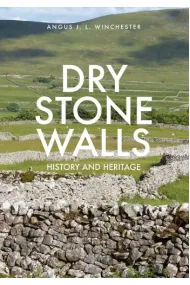
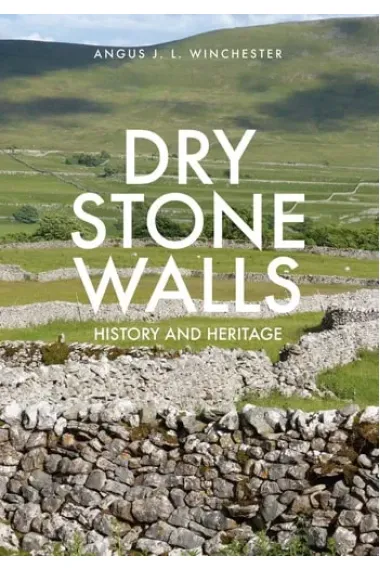
Dry stone walls create much of the character of upland landscapes across Britain. How do we go about dating dry stone walls? Why were they built and by whom? This book seeks answers to these questions and also suggests how walls themselves may be 'read' as historical evidence, shedding light on past farming practice and the history of local communities. The first part of the book traces the history of dry stone walls from medieval times to the present. The standard form of most dry stone walls probably dates from Tudor times but the great era of wall-building in the uplands took place comparatively recently, in the eighteenth and nineteenth centuries. There are numerous regional variations: 'Galloway dykes' in south-west Scotland; stone slab fences, found from Orkney to mid-Wales; 'consumption' walls, built to absorb vast quantities of stone from the fields. The second part of the book looks at dry stone walls as part of Britain's cultural heritage. The walls themselves contain evidence of why they were built and how they functioned as part of the hill farming system. They sometimes preserve information about their builders and owners or evidence of lost features in the landscape.
Llegir més - Autor/a Professor Angus J.L. Winchester
- ISBN13 9781445651484
- ISBN10 1445651483
- Pàgines 96
- Any Edició 2026
- Fecha de publicación 13/05/2026
- Idioma Alemany, Francès
Ressenyes i valoracions
Sigues la primera persona a valorar-lo!
Has llegit Dry Stone Walls: History and Heritage?


 Novetat
 Dry Stone Walls: History and Heritage (Alemany, Francès)
- De
- Professor Angus J.L. Winchester
- |
- Amberley Publishing (2026)
- 9781445651484
19,76€
20,80€
-5%
Enviament Gratuït
Disponible
19,76€
20,80€
-5%
Enviament Gratuït
Disponible


Enviament a domicili Gratuït
 Rep-lo en 10 dies laborables.
Llibreria Caselles Gratuït
Devolució gratuïta

 Gràcies per comprar a llibreries reals!


 Whatsapp
 Facebook
 Linkedin
 X
X