4.5
4.5



 Història
  Agenda


 Llibreries


 Inici
Inici 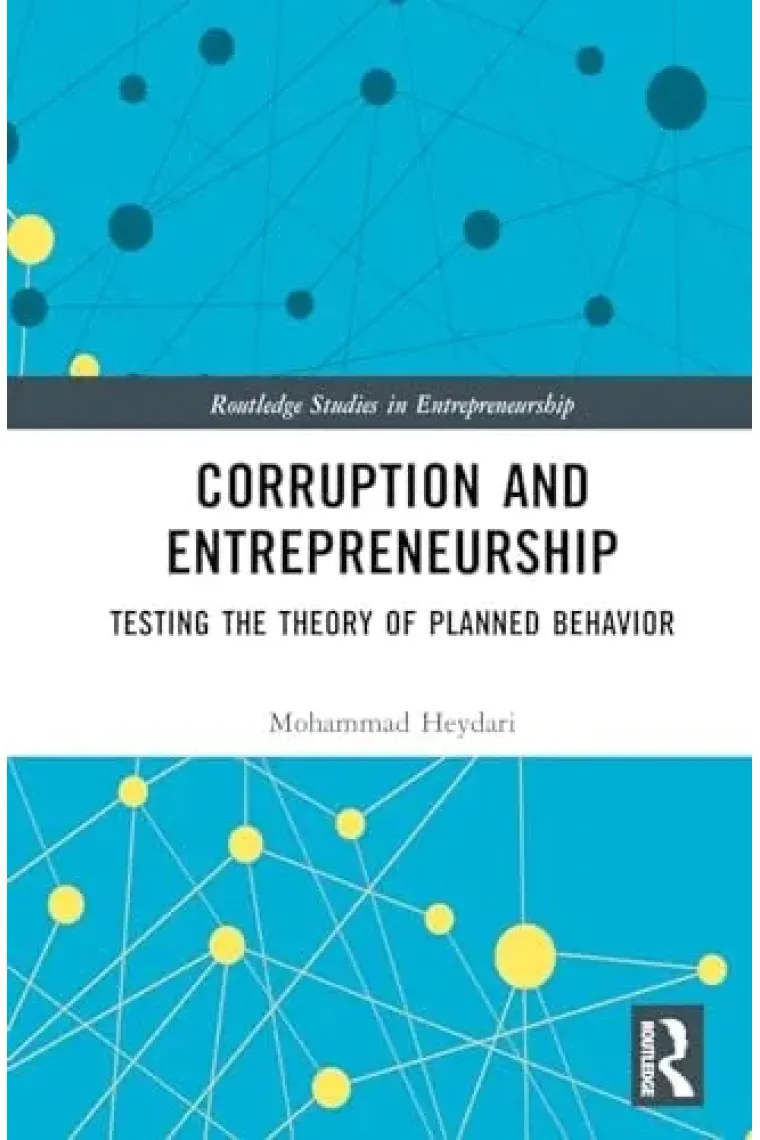


Detalls del llibre
This book examines corruption as a collective behavior problem for entrepreneurs. In particular, it considers Azjen?s theory of planned behavior (TPB) to explain perceived corruption and its effects on entrepreneurship.Heydari argues that behavioral intentions are shaped by variables such as attitude, subjective norms and perceived behavioral control. He proposes the novel Heydari Behavioral Synthesis Theory (HBST) model and applies it to two case studies to highlight the institutional, individual and societal factors that may inhibit entrepreneurial behavior. He concludes that corruption may persist not just because of difficulties in monitoring and prosecuting, but because it is systemically pervasive and discourages individual countermeasures. He closes by looking at anti-corruption policies and outlining future research directions.Arguing that widespread corruption may be theoretically mischaracterized in the literature, this book is of interest to policy-makers, researchers and postgraduate students in the fields of management science, industrial and organizational psychology, entrepreneurship and corruption studies.
Llegir més - Autor/a Mohammad Heydari
- ISBN13 9781032589961
- ISBN10 1032589965
- Pàgines 191
- Any Edició 2026
- Fecha de publicación 17/05/2026
Ressenyes i valoracions
Sigues la primera persona a valorar-lo!
Has llegit Corruption and Entrepreneurship Testing the Theory of Planned Behavior?



 Novetat
 Corruption and Entrepreneurship Testing the Theory of Planned Behavior
- De
- Mohammad Heydari
- |
- ROUTLEDGE (2026)
- 9781032589961
165,82€
174,55€
-5%
Enviament Gratuït
No disponible
165,82€
174,55€
-5%
Enviament Gratuït
No disponible


Devolució gratuïta

 Gràcies per comprar a llibreries reals!
 Whatsapp
 Facebook
 Linkedin
 X
X