4.5
4.5



 Història
  Agenda


 Llibreries


 Inici
Inici 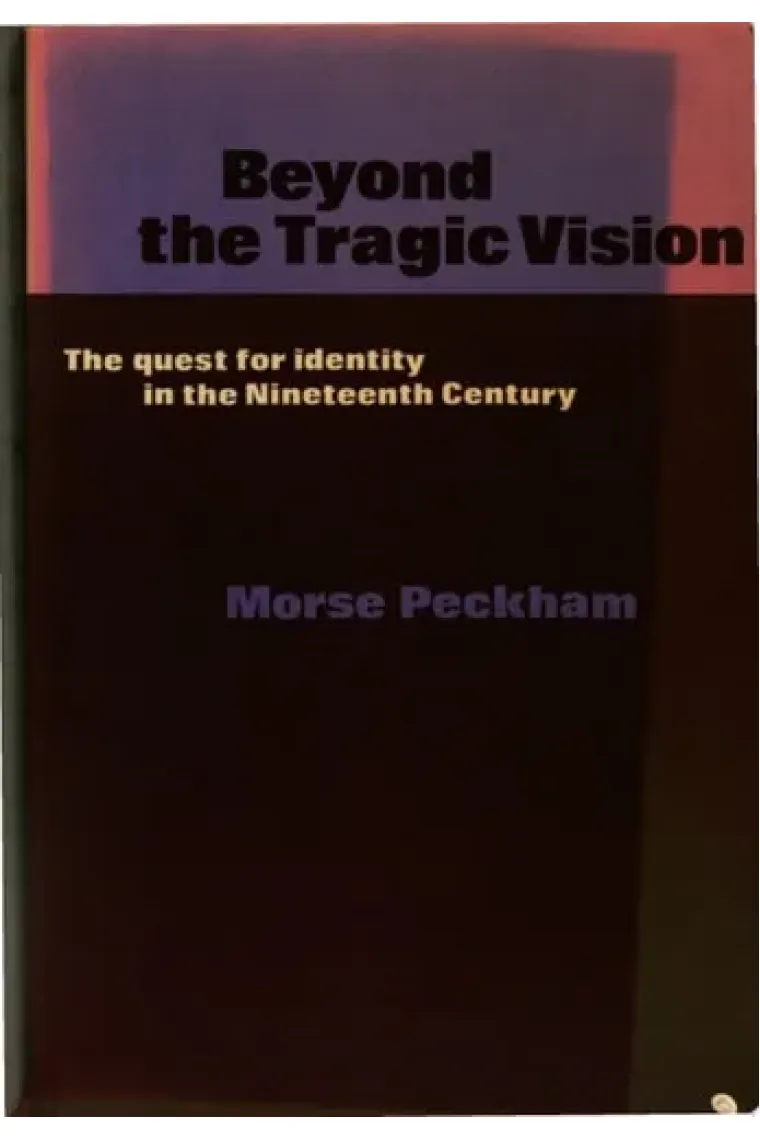


Detalls del llibre
This book is an attempt to find the central nerve of nineteenth-century culture, to discover the problem which unifies the most important cultural documents in the century's philosophy, literature, painting and music. The author sketches how, with the collapse of the Enlightenment at the end of the eighteenth century, it became necessary for the individual to derive order, meaning and value from his own identity rather from the objective world. Professor Peckham sees four stages in the nineteenth century's effort to solve the problem of finding a ground for human identity: the period of discovery and analogy from man to nature (sometimes called Romanticism), the period of Transcendentalism, the period of Objectism (sometimes, though less inclusively, called Realism or Naturalism), and the period of Stylism (sometimes inadequately called Aestheticism). At the end of this process, Nietzsche asserted that human identity exists but has no grounds in nature or the divine. This enabled him to do what the nineteenth century above all wished to do: to recognise the reality of human life in the contraries and opposites of human experience without falsifying them by comfortable but illusory reconciliation.
Llegir més - Autor/a Morse Peckham
- ISBN13 9780521281539
- ISBN10 0521281539
- Pàgines 384
- Any Edició 1981
- Fecha de publicación 12/03/1981
- Idioma Alemany, Francès
Ressenyes i valoracions
Sigues la primera persona a valorar-lo!
Has llegit Beyond the Tragic Vision: The Quest for Identity in the Nineteenth Century?


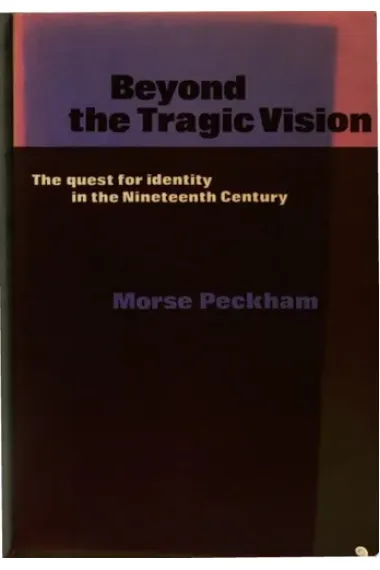
Beyond the Tragic Vision: The Quest for Identity in the Nineteenth Century (Alemany, Francès)
- De
- Morse Peckham
- 9780521281539
46,93€
49,40€
-5%
Enviament Gratuït
No disponible
46,93€
49,40€
-5%
Enviament Gratuït
No disponible


Devolució gratuïta

 Gràcies per comprar a llibreries reals!
 Novetat
 Whatsapp
 Facebook
 Linkedin
 X
X