4.5
4.5



 Història
  Agenda


 Llibreries


 Inici
Inici 
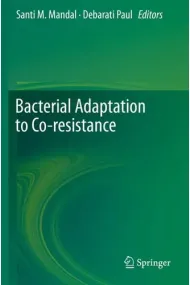


Detalls del llibre
The proposed book aims to understand the mechanism of survival of microorganisms in response to chemical stress in various ecological niches that suffer direct human intervention, more so the agricultural, domestic and hospital settings. Microbicides (e.g. disinfectants, antiseptics, fungicides, algaecides, insecticides and pesticides) are used rampantly to control undesirable microbes. Insecticides and pesticides are routinely used in agriculture which directly affect the microbial population in farms, orchards and fields. Health care environments are always stressed with disinfectants and antibiotics. It is always probable that microbicide-stressed microorganisms are in a dynamic state, displaced from one niche to the other. Some soil and water borne bacteria or their resistance determinants are also getting prominence in hospital settings after suffering selective pressure from agricides. In order to reveal the survival strategies of microbicidal-resistant microbes, it is of prime importance to know the mode of action of these complete range of microbicides (agricides to antibiotics). The present book intends to address these issues. There will be several chapters dealing with tolerance and cross resistance in microbes and bacteria in particular, dwelling in various niches. Till date, there is no consensus among scientists in theorizing molecular mechanisms to explain bacterial tolerance and their cross resistance to agricides and antibiotics.
- ISBN13 9789811385056
- ISBN10 981138505X
- Pàgines 322
- Any Edició 2020
- Fecha de publicación 26/11/2020
- Idioma Alemany, Francès
Ressenyes i valoracions
Sigues la primera persona a valorar-lo!
Has llegit Bacterial Adaptation to Co-resistance?



Bacterial Adaptation to Co-resistance (Alemany, Francès)
- De
- |
- SPRINGER (2020)
- 9789811385056


 Gràcies per comprar a llibreries reals!
 Whatsapp
 Facebook
 Linkedin
 X
X