4.5
4.5



 Història
  Agenda


 Llibreries


 Inici
Inici 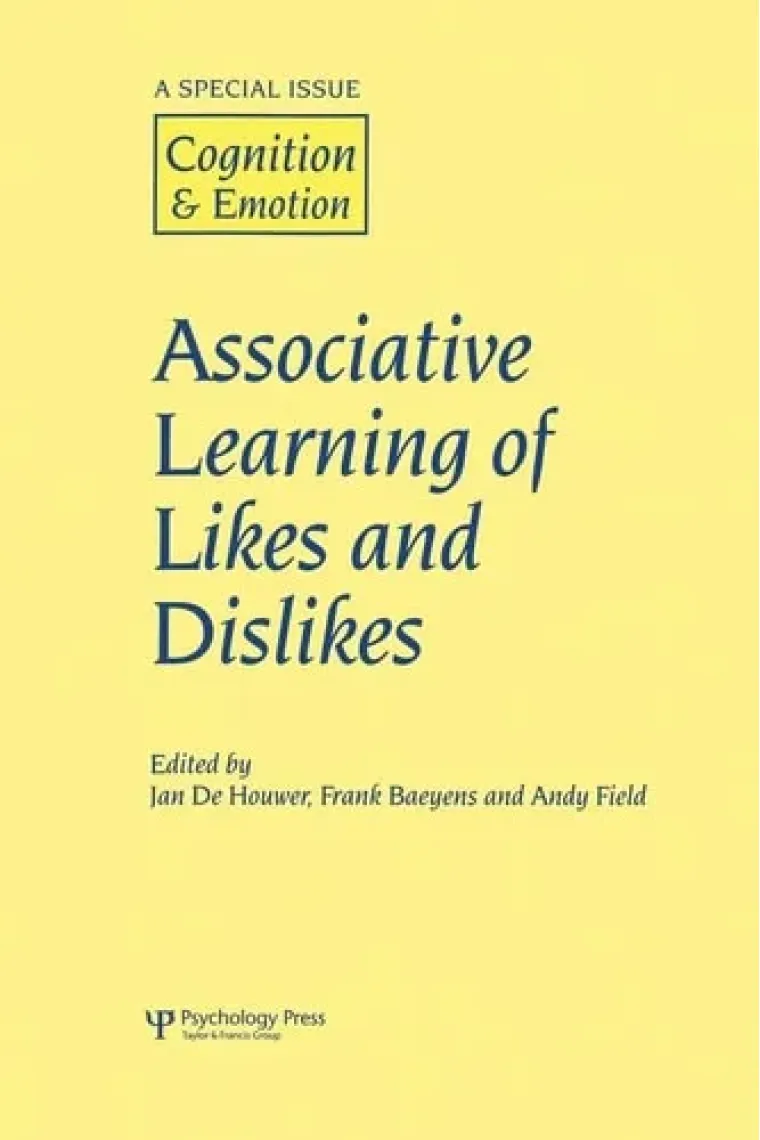


Detalls del llibre
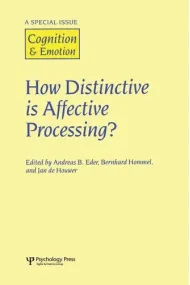
Preferences are assumed to play a crucial role in many phenomena that are studied in learning psychology, social psychology, consumer science, emotion research, and clinical psychology. Given the pervasive impact that preferences have on behaviour, it is important to know where these likes and dislikes come from. Although some preferences are genetically determined, most stem from learning that took place during the lifetime of the individual. In this special issue, the editors focus on one such type of learning: associative learning of likes and dislikes, that is, changes in liking that are due to the pairing of stimuli. Prior studies on evaluative conditioning have shown that pairing an affectively neutral stimulus with an affectively positive or negative stimulus will change the liking of the originally neutral stimulus. The papers that are part of this special issue explore the relevance of evaluative conditioning for social psychology, provide new data about the impact of contingency awareness, attention, and extinction trials on evaluative conditioning, and examine whether pairing stimuli can also result in the transfer of non-evaluative stimulus properties.
Llegir més - Autors JAN DE HOUWER, Frank Baeyens, Andy Mansfield
- ISBN13 9781138877955
- ISBN10 1138877956
- Pàgines 156
- Any Edició 2015
- Fecha de publicación 25/06/2015
Ressenyes i valoracions
Sigues la primera persona a valorar-lo!
Has llegit Associative Learning of Likes and Dislikes A Special Issue of Cognition and Emotion?


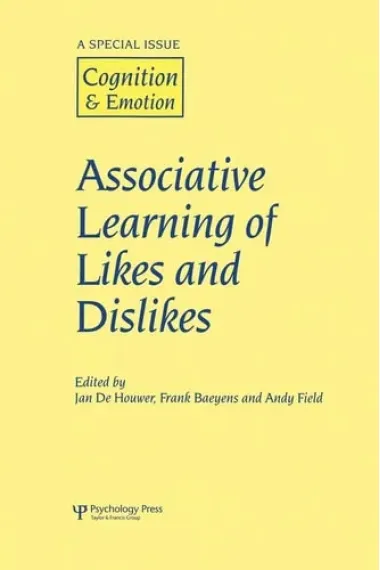
Associative Learning of Likes and Dislikes A Special Issue of Cognition and Emotion
- De
- JAN DE HOUWER, Frank Baeyens, Andy Mansfield
- |
- ROUTLEDGE (2015)
- 9781138877955
58,33€
61,40€
-5%
Enviament Gratuït
No disponible
58,33€
61,40€
-5%
Enviament Gratuït
No disponible


Devolució gratuïta

 Gràcies per comprar a llibreries reals!
 Novetat




 Whatsapp
 Facebook
 Linkedin
 X
X