4.5
4.5



 Història
  Agenda


 Llibreries


 Inici
Inici 


Detalls del llibre
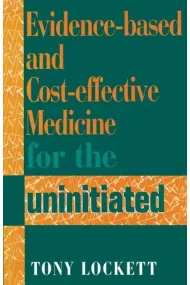
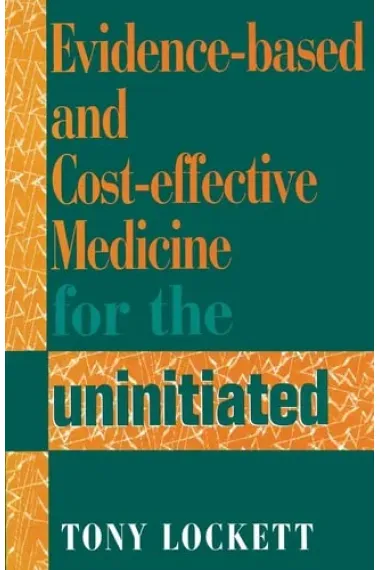
There are two predominant forms of decision-making frameworks currently being applied in the present health care environment. These are evidence-based medicine (EBM) and cost-effectiveness based medical decision-making (CEM). EBM seeks to maximize benefit to an individual patient, or at least minimize the harm caused by medical treatment. In contrast, CEM seeks to examine the relative values in monetary terms, of interventions and to use this information to provide maximum benefit to a population under conditions where resources are scarce. Both of these techniques have tendencies to produce positivism-based decision-making, which has a technocratic bias. EBM and CEM are also in conflict. The application of EBM may increase the costs of medical practice. Therefore, a choice has to be made about which system af decision-making to apply. Both cost-effectiveness analysis and evidence will not solve the problems of rationing and resource allocation, as in themselves they may exacerbate the problem. Instead it is requisite that rationing is determined by knowing when to apply evidene-based rules and when to apply cost-based rules. If the allocation of resources is to consider individuals' benefit in health care, then some expansions of the concepts of both cost and benefit is required. However the largest task is to establish the purpose of health care systems.
Llegir més - Autor/a David Cooper (Ciudad Del Cabo)
- ISBN13 9781857752359
- ISBN10 185775235X
- Pàgines 93
- Any Edició 1997
- Fecha de publicación 02/05/1997
- Idioma Alemany, Francès
Ressenyes i valoracions
Sigues la primera persona a valorar-lo!
Has llegit Evidence-Based and Cost-Effective Medicine for the Uninitiated?


Evidence-Based and Cost-Effective Medicine for the Uninitiated (Alemany, Francès)
- De
- David Cooper (Ciudad Del Cabo)
- 9781857752359
34,58€
36,40€
-5%
Enviament Gratuït
No disponible
34,58€
36,40€
-5%
Enviament Gratuït
No disponible


Devolució gratuïta

 Gràcies per comprar a llibreries reals!
 Novetat





 Whatsapp
 Facebook
 Linkedin
 X
X